
Vendor-neutral
Define the capability before recommending technologies or suppliers.
Drone Risk & Airspace Resilience
AGIS helps critical infrastructure operators assess drone-related exposure and build a proportionate path to long-term resilience.
Vendor-neutral. Management-ready. Built around critical-service continuity.
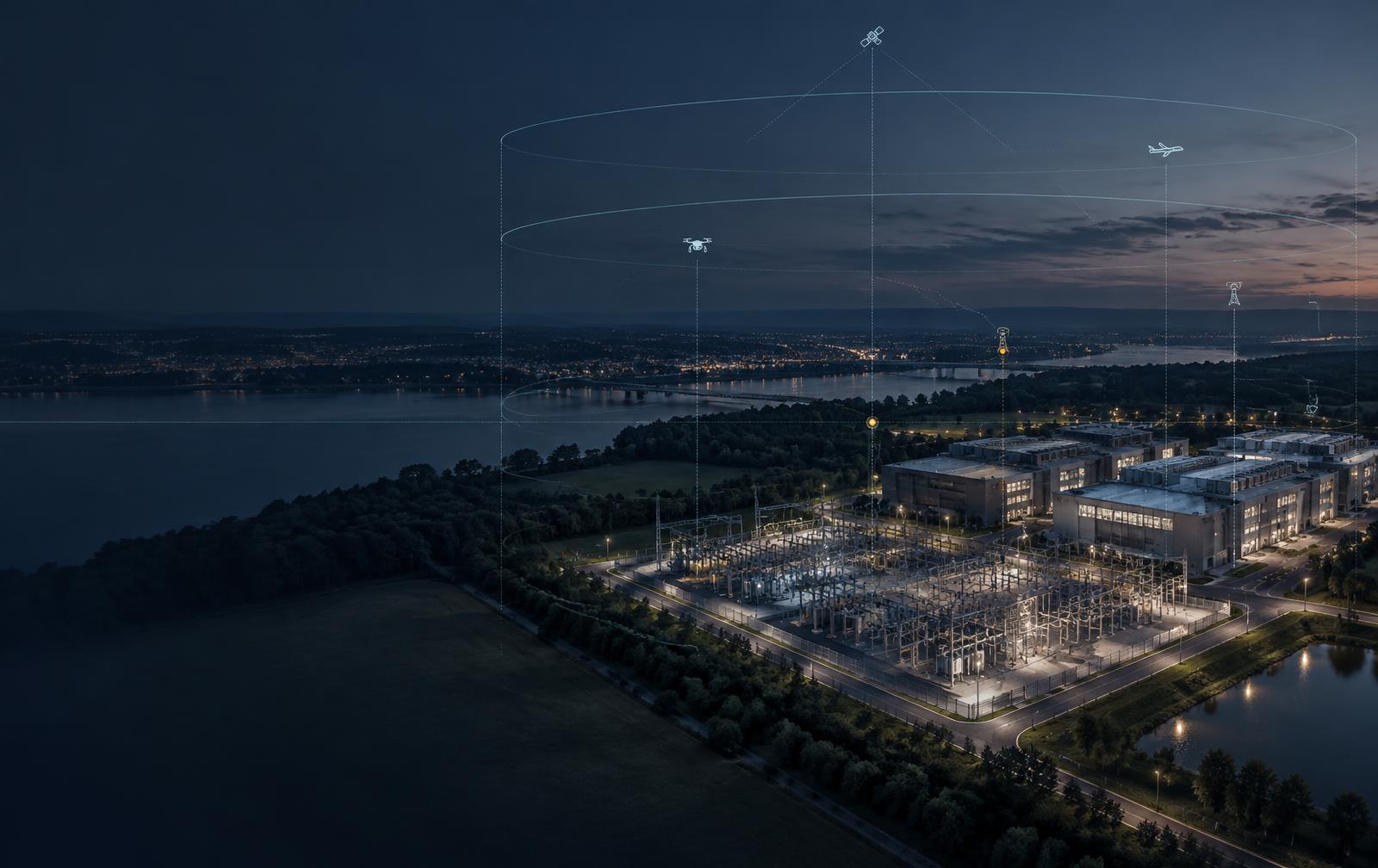
Why AGIS
Critical infrastructure operators face a connected decision chain.
Buying technology before answering these questions can create cost without creating resilience.
What is the actual risk to our critical services?
Which assets and dependencies matter most?
What can we improve immediately through passive measures?
Who detects, evaluates, decides and responds?
What is legally and operationally possible?
Which technology, if any, should we procure?
Who will integrate and maintain the capability over time?
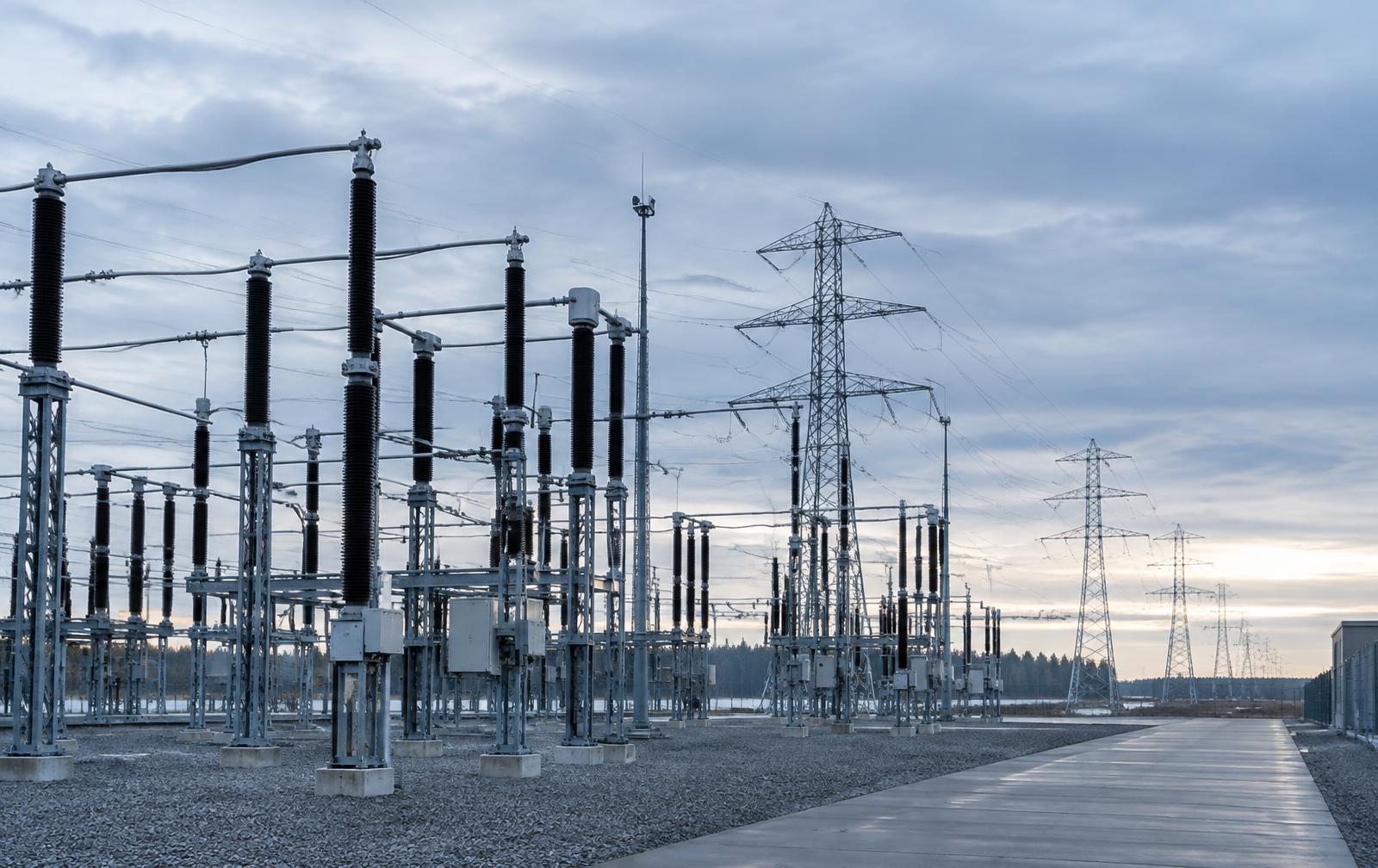
AGIS point of view
Drone risk becomes manageable when consequence, authority and operational responsibility are clear. AGIS defines that decision environment before systems or suppliers enter the conversation.
Define the capability before recommending technologies or suppliers.
Match investment to exposure, consequence, environment and legal authority.
Connect assessment, engineering, procurement, implementation and improvement.
Create clear decisions, priorities, budget logic and implementation paths.
Our services
A capability lifecycle—not a mandatory starting sequence. Enter where your current maturity and operational need require.
Flexible entry
Start at the right point. Clients with an established risk picture may begin with retained advice, Harden, Architect or Manage.
Purpose
Determine where exposure exists, what matters to critical-service continuity and which action is justified.
Do we have a material drone-risk problem, and what should we do next?
What AGIS does
Client receives
Delivery model
AGIS leads the client process and synthesis. C-UAS expertise validates threat assumptions and technical conclusions; legal questions go to counsel or competent authorities.
Responsibility boundary
Fixed scope, usually 2–4 weeks, with no obligation to buy hardware.
How the tiers connect
The detail sits inside each service. Here, the operating logic stays visible at a glance.
A bounded assessment ends with one proportionate management route.
Passive and procedural improvements
Improved awareness or detection readiness
Layered architecture and procurement
AGIS connects requirements, licensed design partners, delivery and acceptance.
Specify
Brief
Design
Coordinate
Implement
Verify
A vendor-neutral assessment and procurement framework—not an AGIS-owned product.
Sensing
Communications
Awareness & Data Fusion
Threat Assessment
Command & Control
Lawful Response Options
A retained SLA model aligning ownership, authorised operators, vendors and authorities.
Govern
Coordinate
Exercise
Review
Report
Refresh
Integrated operating model
Operating context
These are the environments AGIS is structured to support—not a list of customers or completed projects.
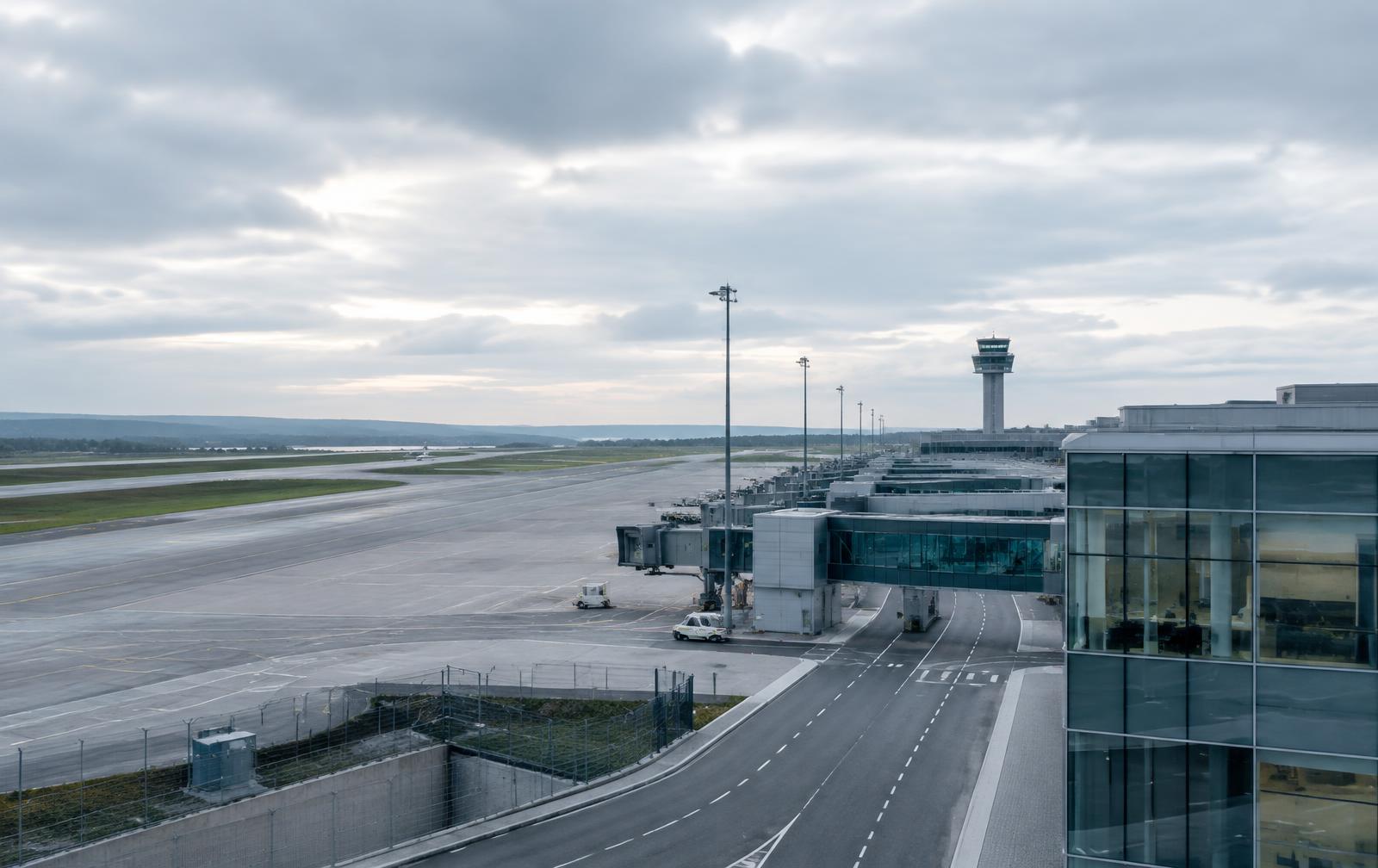
Energy & utilities
Airports & ports
Telecommunications
Data centres
Transport & logistics
Industrial sites
Other regulated operators
Decision discipline
Begin with critical-service continuity and the effects of disruption.
Define requirements and architecture before supplier selection.
Improve resilience now while preserving proportionate future options.
Avoid both under-reaction and premature technology investment.
Contact
If you are reviewing exposure, passive protection, detection readiness or a future C-UAS capability, AGIS can help structure the first decision.
No forced starting tier. No hardware commitment.
Request a capability briefing